
Surgeon
Dr. Henry Sandel
Device
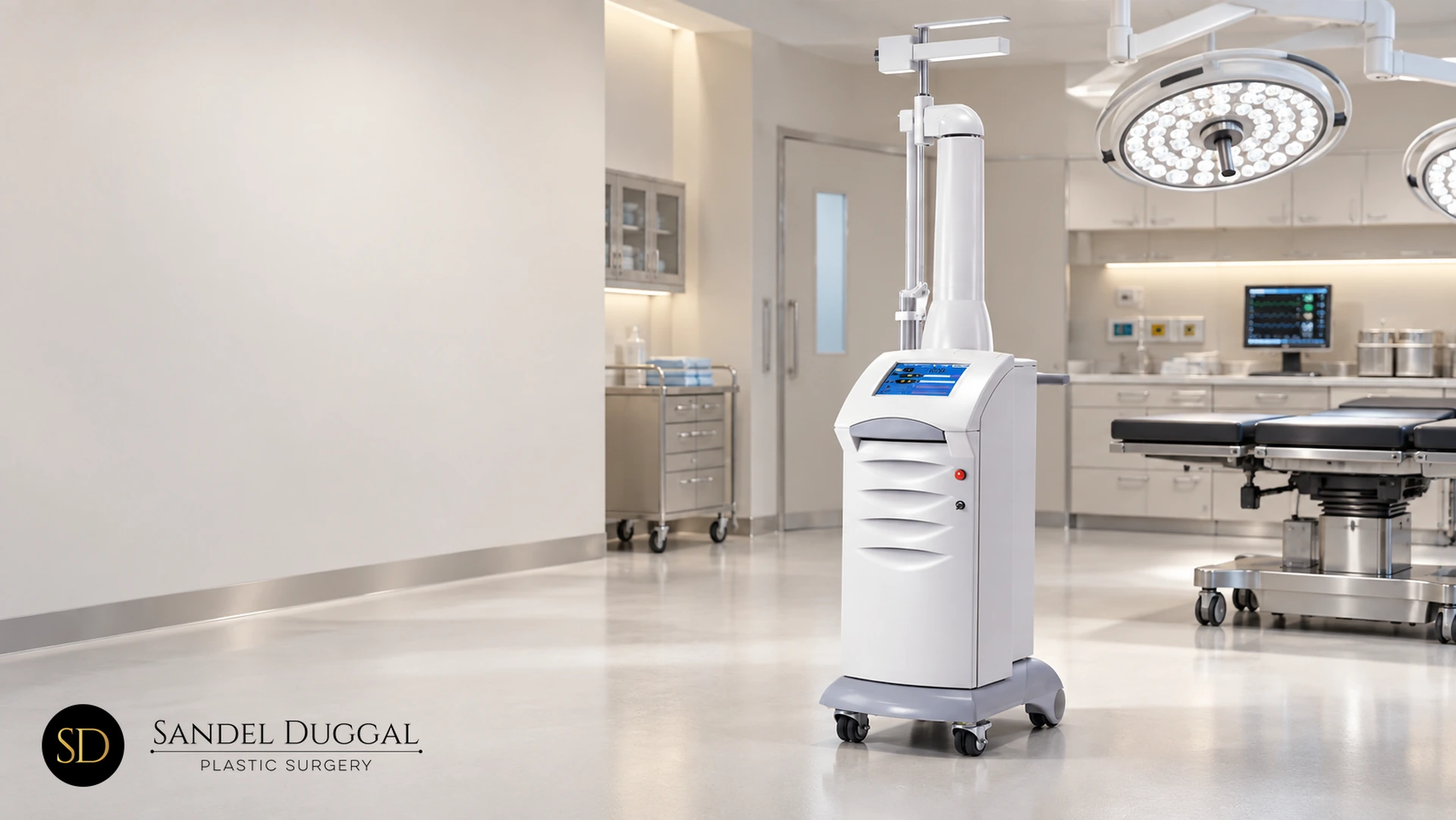
Lumenis UltraPulse Encore
Modes
TotalFX, DeepFX, MaxFX
Most common
MaxFX
Sessions
Usually one
Crusting
Falls away over 7–10 days
Presentable
7–10 days with coverage
Normal activity
About one week
Splotchiness
Improves over 6–8 weeks
Aesthetician support
Throughout recovery
What the laser does
A CO2 laser removes damaged skin in precise, controlled columns and heats the collagen beneath. The surface that grows back is smoother and more even in tone; the deeper heating tightens over the months that follow. It is the treatment that addresses fine lines, sun damage, and laxity in a single session rather than a course of lighter ones.
Dr. Sandel uses the Lumenis UltraPulse Encore. Depth and coverage are set by him for your skin and your goals — the same device treats a light refresh and a deep resurfacing, and the difference lies in how it is used.


The treatment modes
MaxFX
The mode used most often here, and the one Dr. Sandel reaches for when fine lines, sun damage, and laxity are all in play.
DeepFX
A narrow, deeper beam for the collagen response, used where texture and tightening matter more than surface tone.
TotalFX
Superficial and deep treatment combined in one session, covering the surface and the layer beneath it together.
How each mode reaches the skin
Each diagram is a cross-section of skin. A wide, shallow beam treats the surface; a narrow beam reaches deep into the collagen layer while leaving untouched skin between the columns, which is what speeds healing.
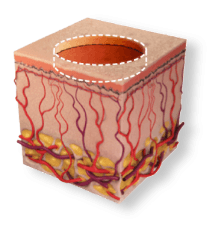
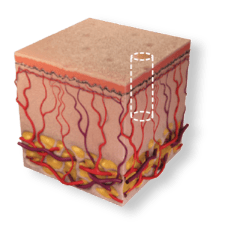
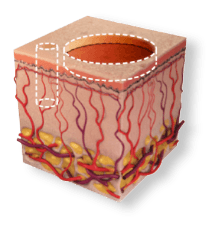
Diagrams courtesy of Lumenis.
Recovery
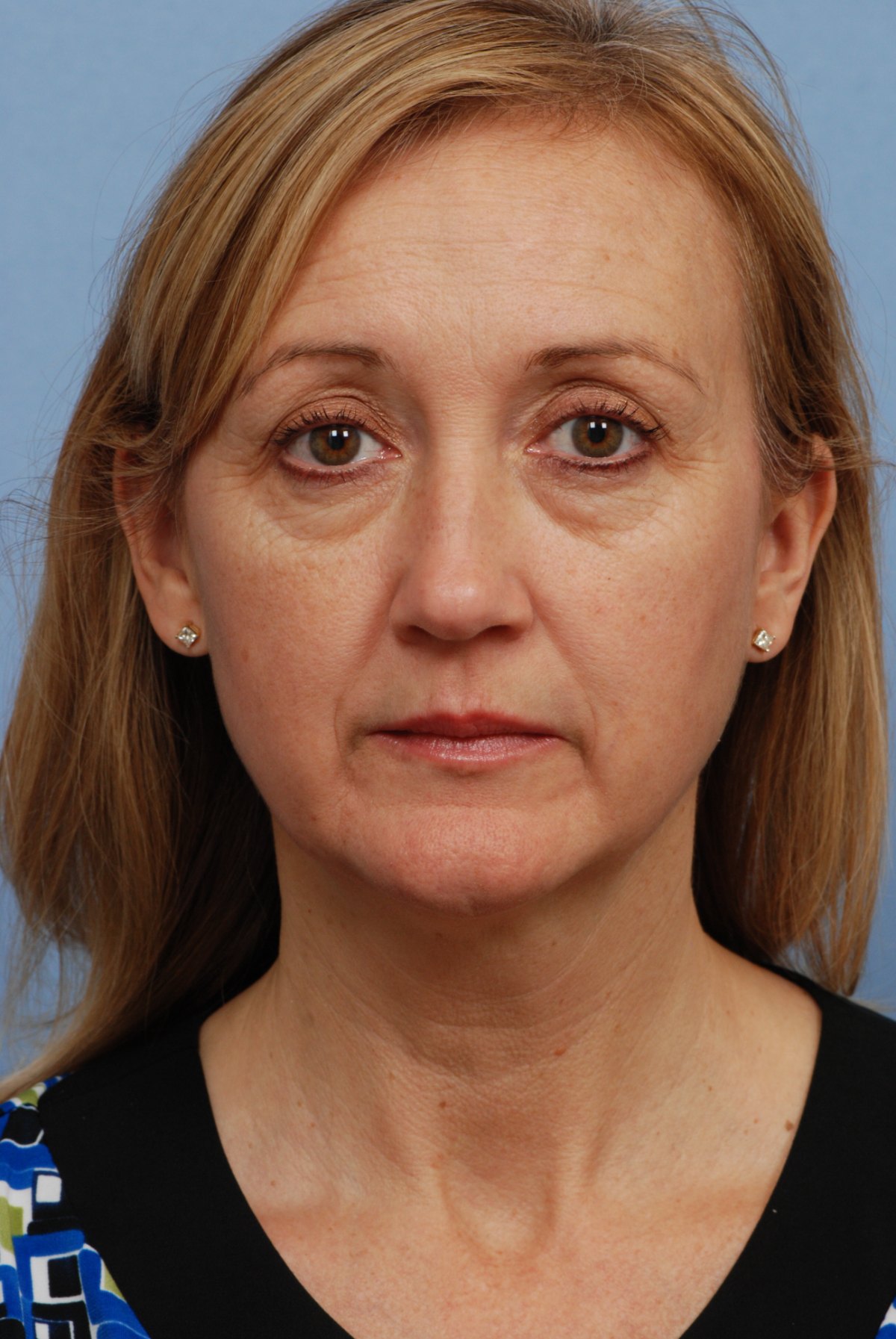
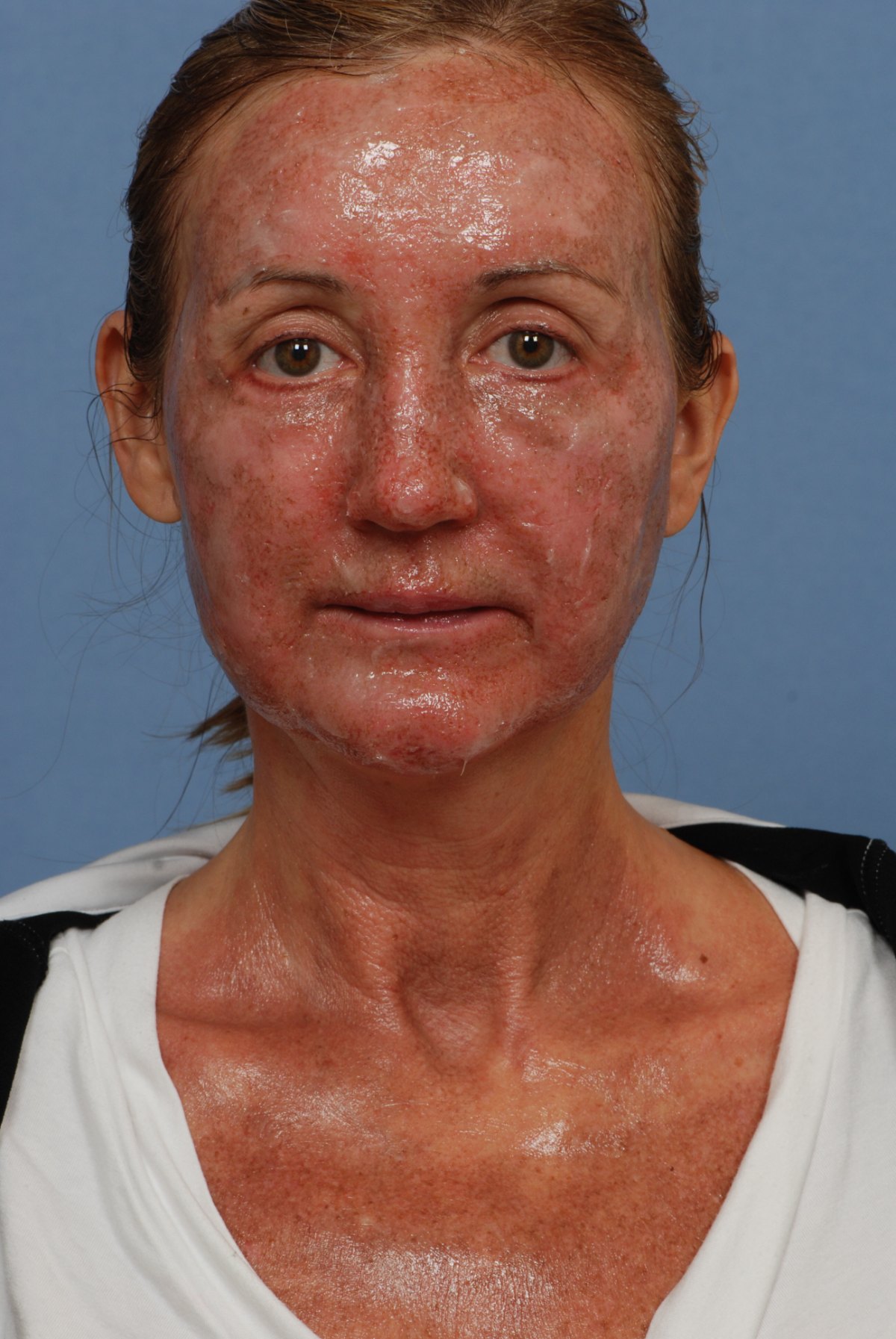
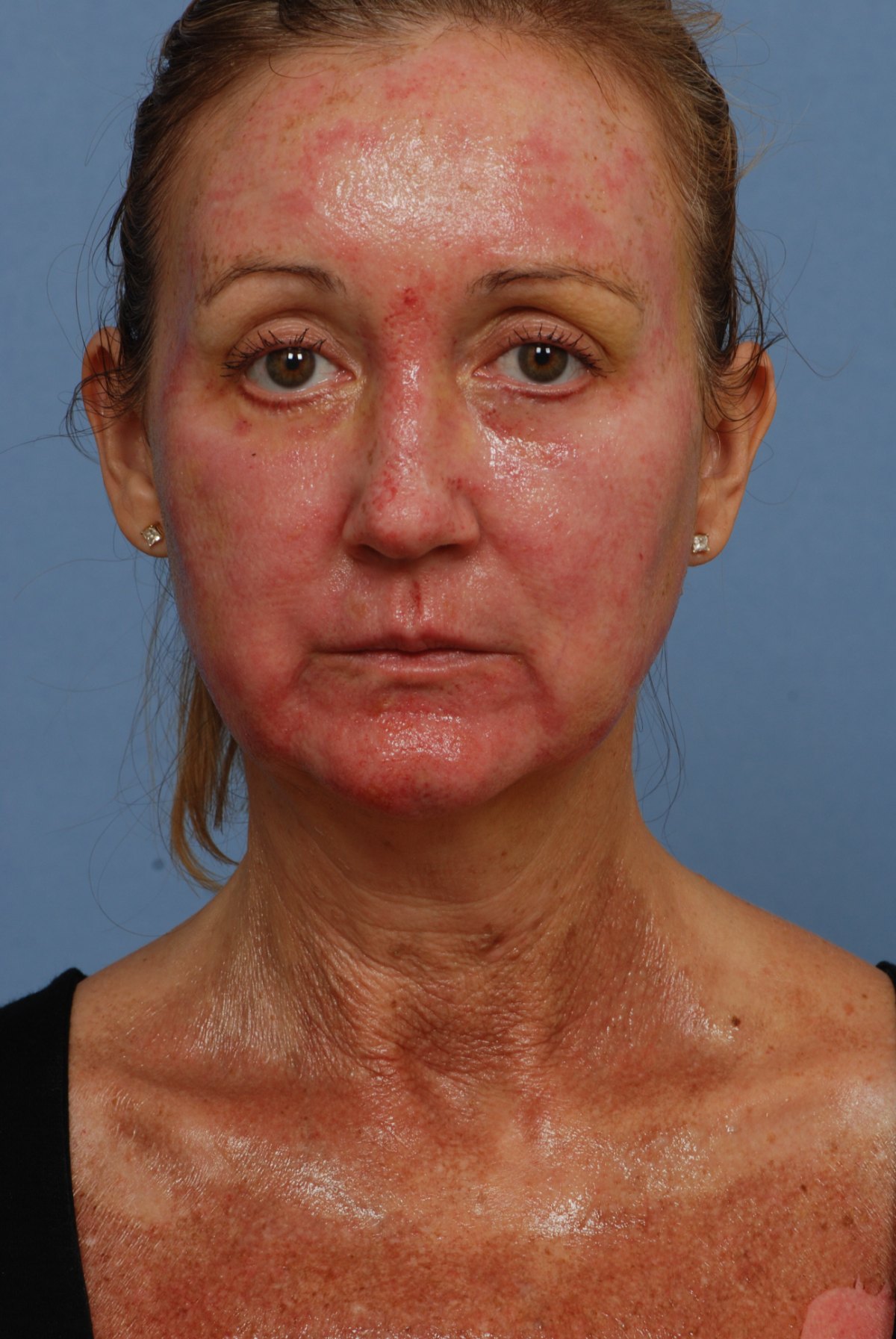
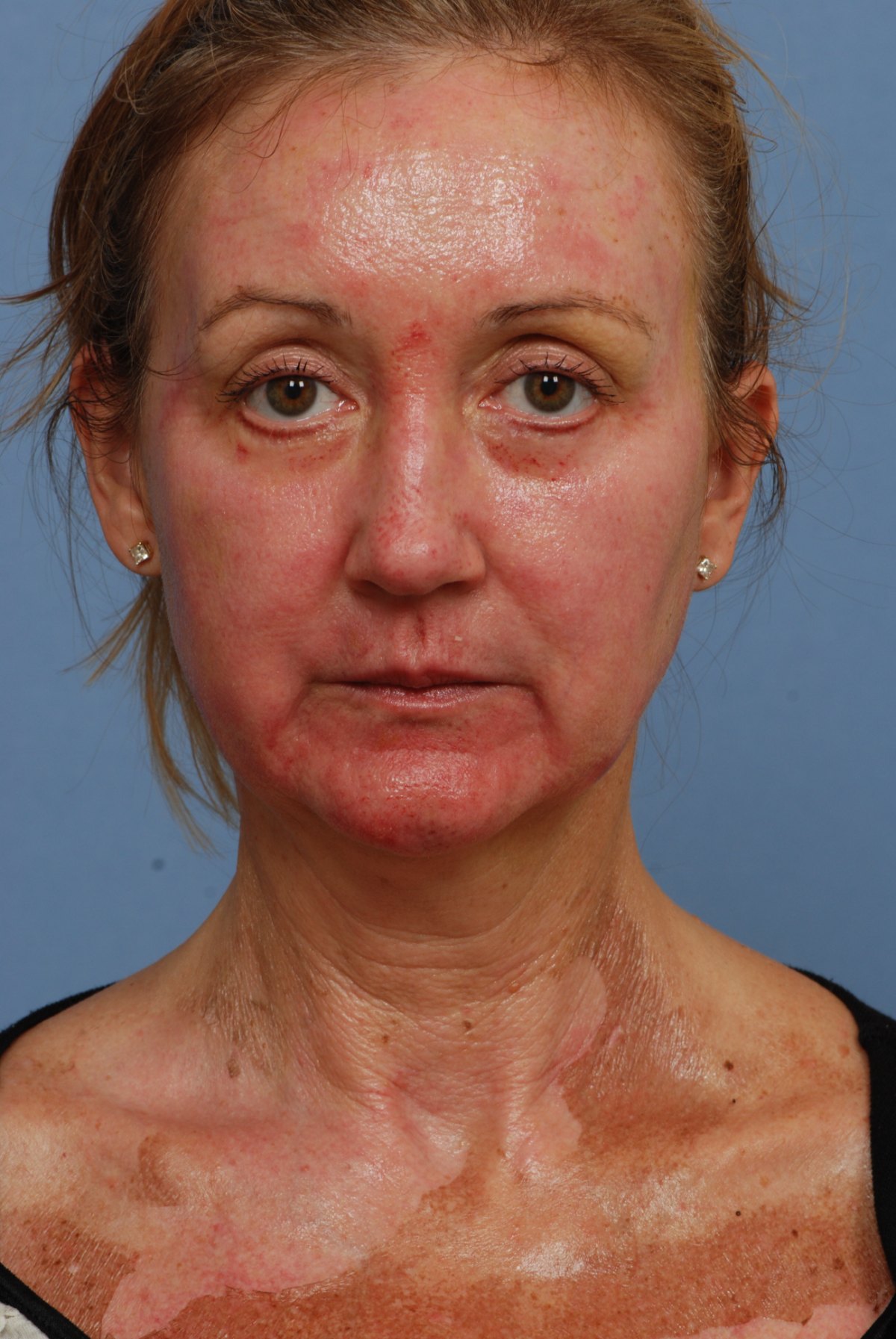
CO2 resurfacing asks for real downtime, though less of it than people expect. The skin crusts and the crusting falls away over seven to ten days. Beneath it is bright pink new skin, which looks sunburned. Most patients return to normal activity after about a week, and are presentable at seven to ten days with a little coverage makeup to even out the splotchiness. Dryness and splotchiness continue for six to eight weeks, improving every week.
You will be given antibiotics and antiviral medication to take before and after, and Aquaphor to keep the skin from drying out — nothing else goes on healing skin without our approval, as unapproved creams and acids can cause burns, infection, and permanent scarring. Sun protection is not optional either: new skin pigments easily, so stay out of direct sun and use sunscreen daily for the first few months. Most patients plan the treatment for autumn or winter for that reason.
You are not left to manage this alone. Our aestheticians follow your recovery through the whole six to eight weeks, and we provide the cleanser, moisturizer, and sunscreen you will need, along with help selecting and applying coverage makeup for the weeks when the skin is still uneven.
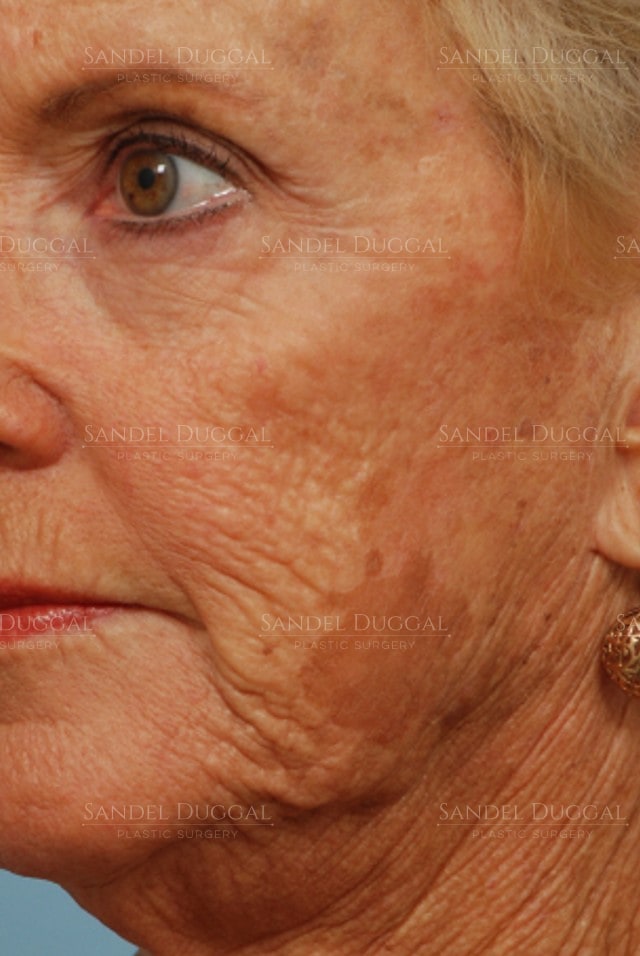 Before
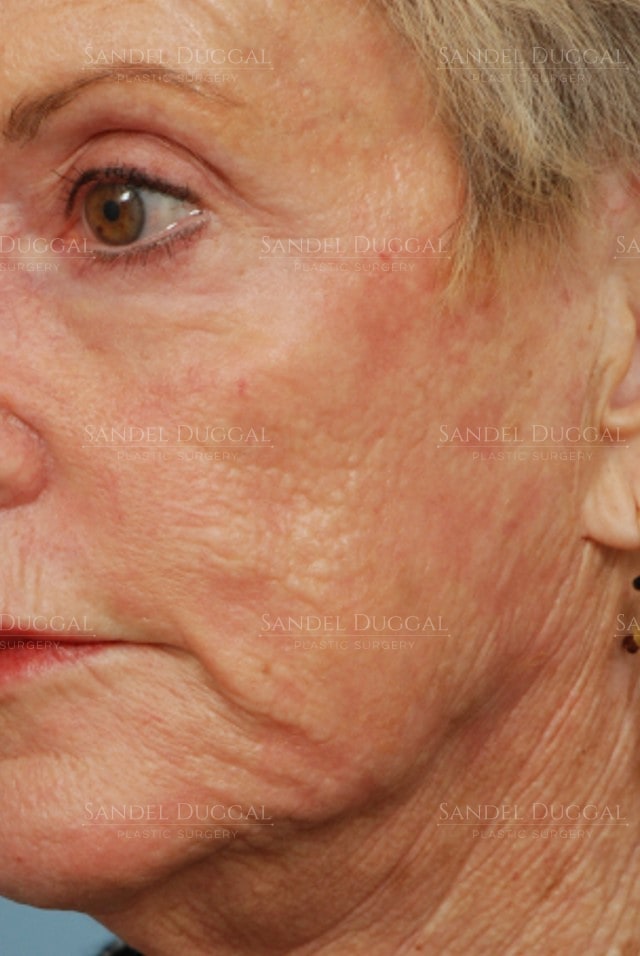 After
AfterCO2 laser resurfacing before and after — an actual patient of Dr. Sandel.
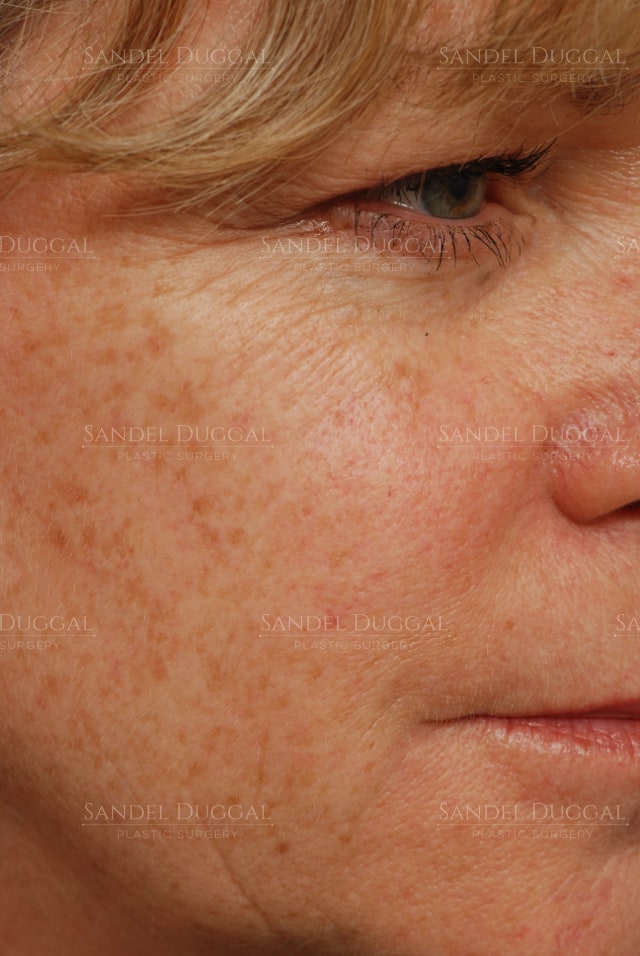 Before
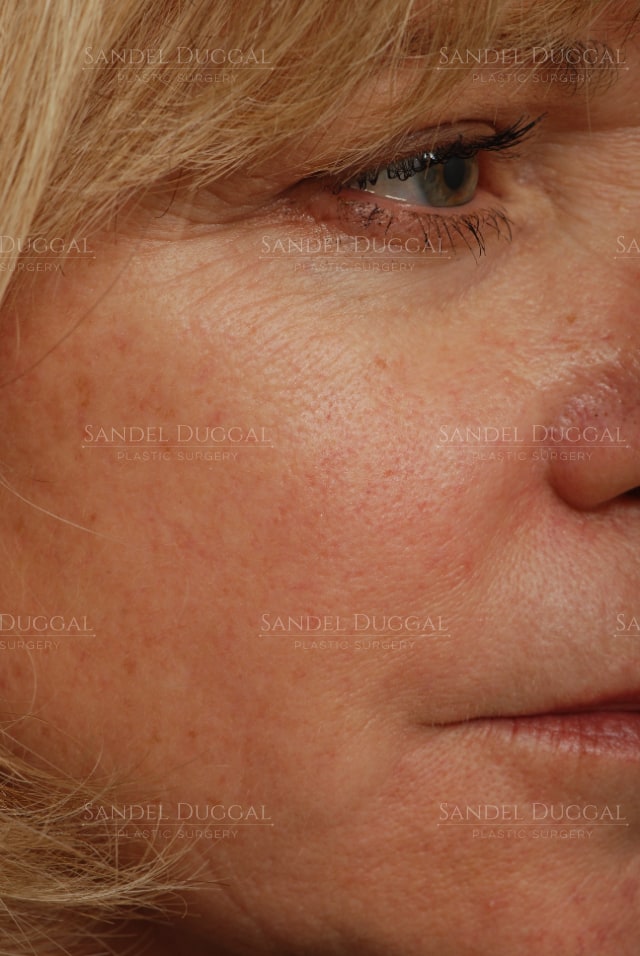 After
AfterSun damage and pigmentation, three-quarter view.
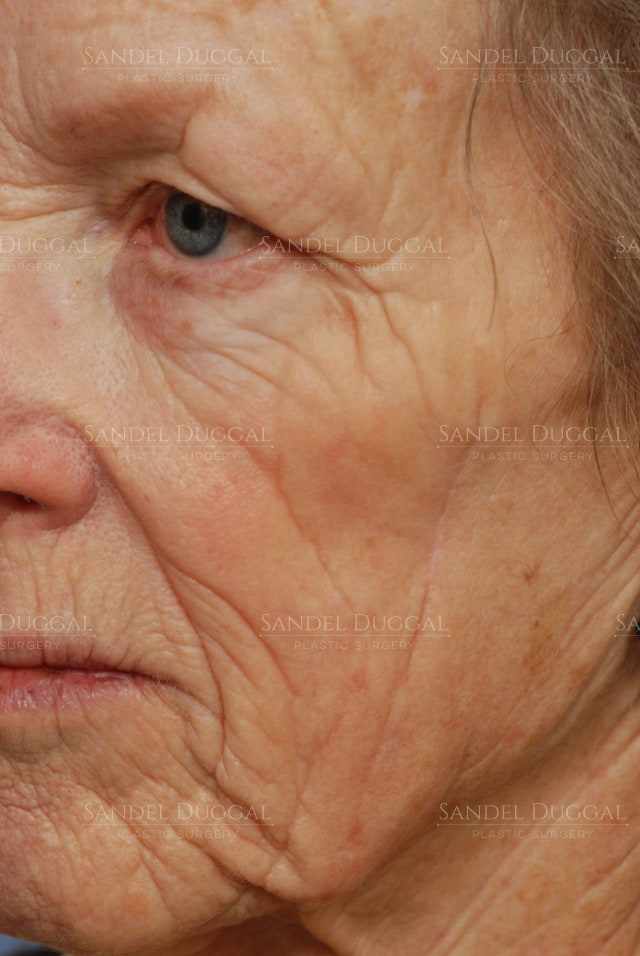 Before
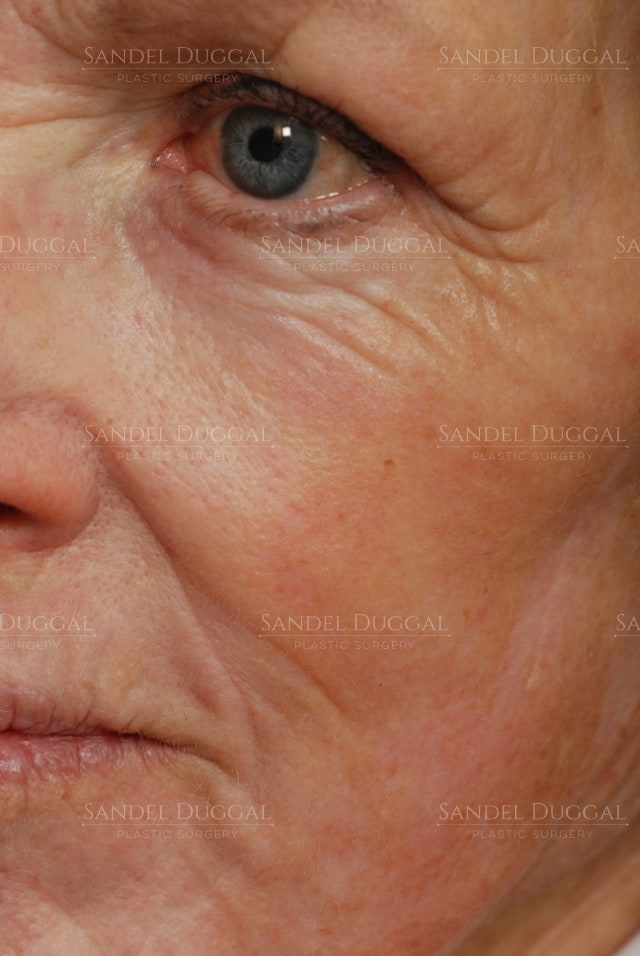 After
AfterDeep perioral and periorbital lines, three-quarter view.
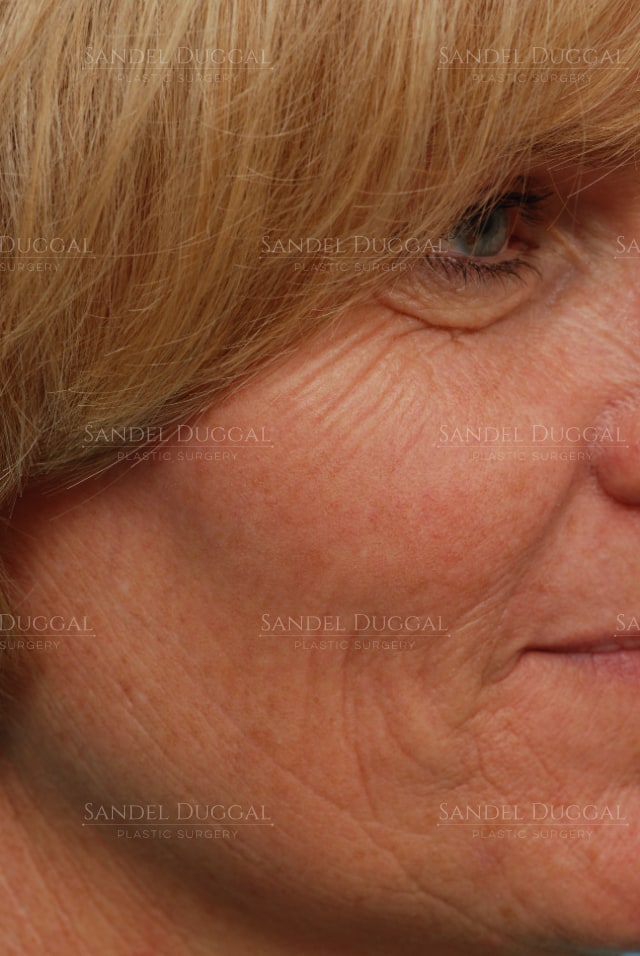 Before
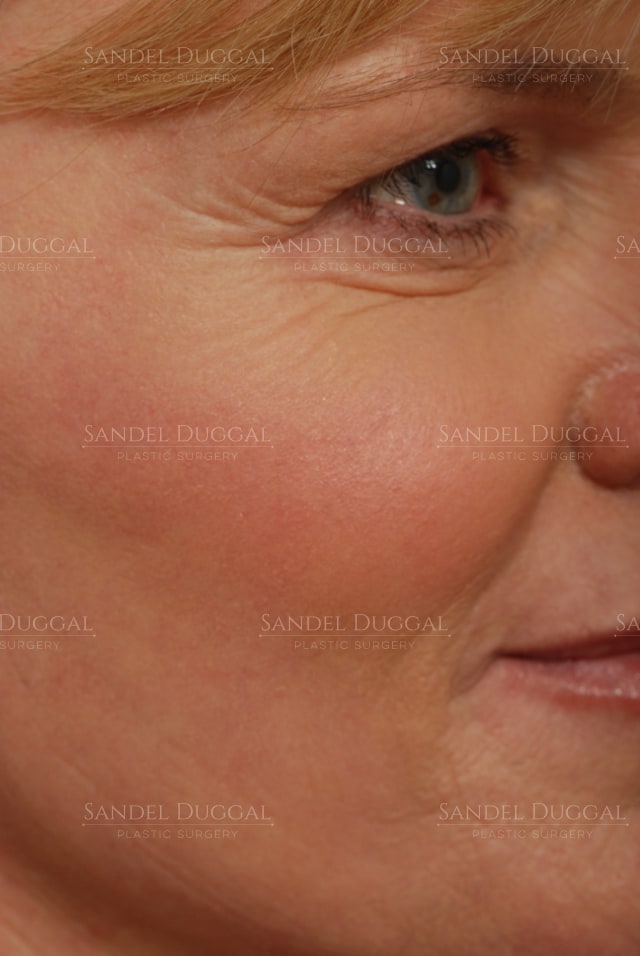 After
AfterCrow’s feet and cheek texture, three-quarter view.
What it treats
Fine lines, particularly around the mouth and eyes.
Sun damage and uneven pigment.
Skin that has lost firmness across the cheeks and jawline.
Rough or coarse skin texture.
Some acne scarring, depending on depth and type.
Thin, crepey skin of the eyelids.
Alternatives & related
Recovery
A week of peeling, then months of quiet improvement.
Resurfacing has the most demanding aftercare of anything we do, and it repays it. The first week is ointment and patience; our aestheticians take over your skin care from day seven, and the result keeps improving for months.
This is the guidance we give every patient, alongside the general instructions that follow any surgery. Your own sheet and Dr. Sandel’s instructions govern your case. Call the office on (410) 266-7120 with any question about your healing.
Before the day
Have a tub of Aquaphor and four-by-four gauze pads at home. You will need them from the first night.
The first night
A fresh layer of Aquaphor every three to four hours, with no cleaning or wiping of the skin at all.
From day one
We show you how to clean your skin, and Aquaphor goes on at least three times a day so it never dries out. Take the full course of antibiotics and antiviral medication, and limit lifting, pulling and pushing for at least seven days.
The first week
The first week is when the most swelling and pinkness stand out. Aquaphor is required during this time to aid the healing process as the sun damaged skin gets replaced with new healthy skin. Crusting lifts as you clean the skin — do not pick at it, as that is what causes bleeding and scarring. Itching is a normal sign of healing.
Comfort
There is no pain during this week of healing. Most patients feel a little sunburned for the first two hours after the procedure, and then that goes away. The skin will feel tight and swollen, which Tylenol works well for. Most patients do not take pain medication after this procedure.
Day 7
The Aquaphor is typically stopped at 7 days and replaced with a moisturizer, sun screen and cleanser that our aestheticians prescribe. They will take over your skin care at that point.
The next 6 to 8 weeks
The skin will be dry and splotchy. This gets better every week and can be covered by makeup.
Sun
Avoid sun early, when exposure can change pigment. Once the crusts are gone, sunscreen every day for the first few months.
Three months
After that point the skin will continue to look great and the results will continue to improve. The final outcome is evident at 3 months and it will last for years if good skin care is maintained.
When to call
More swelling, redness, pain or drainage than expected, a rash or small blisters, any change in vision beyond mild blurring, or a fever.
Recovery, day by day
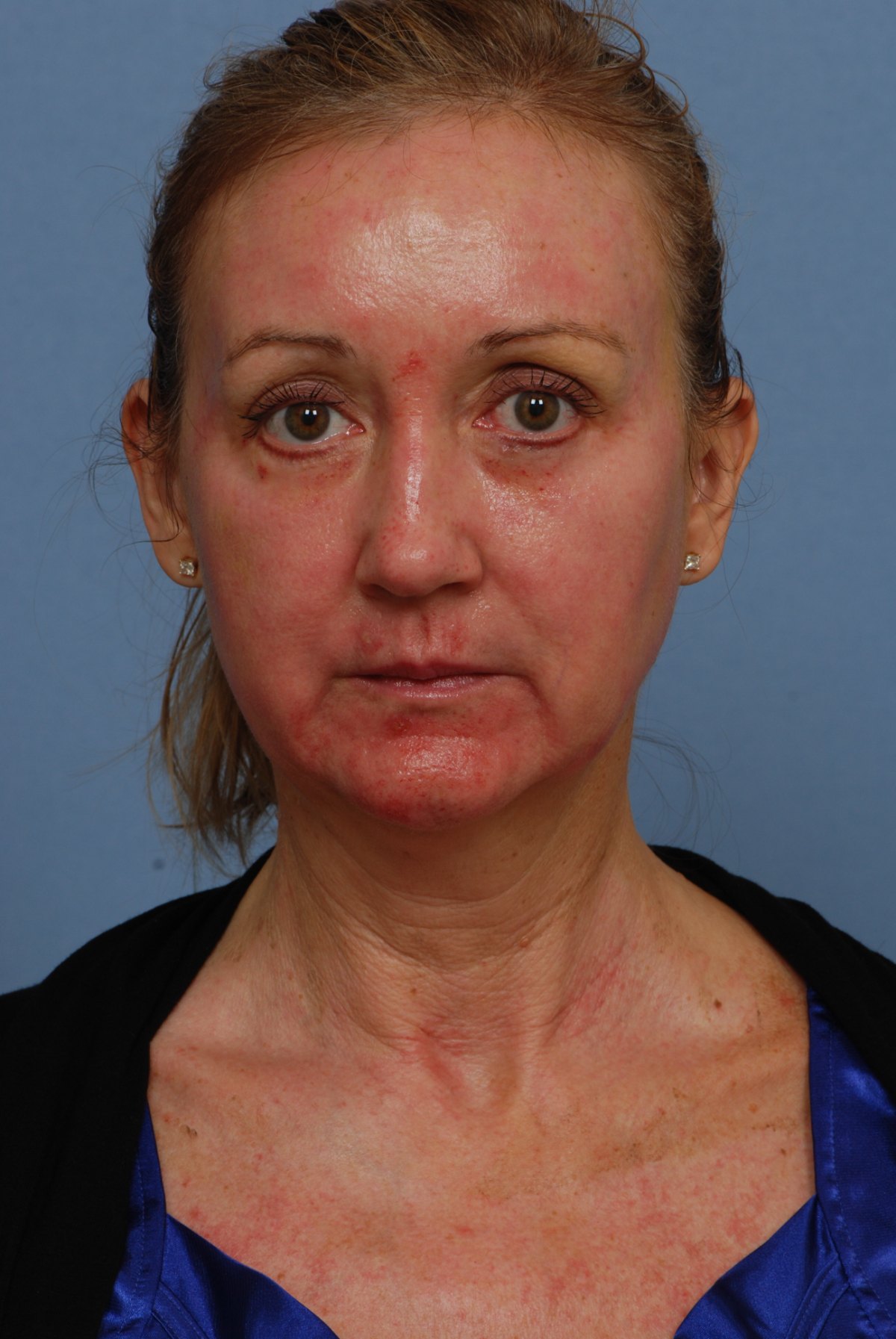
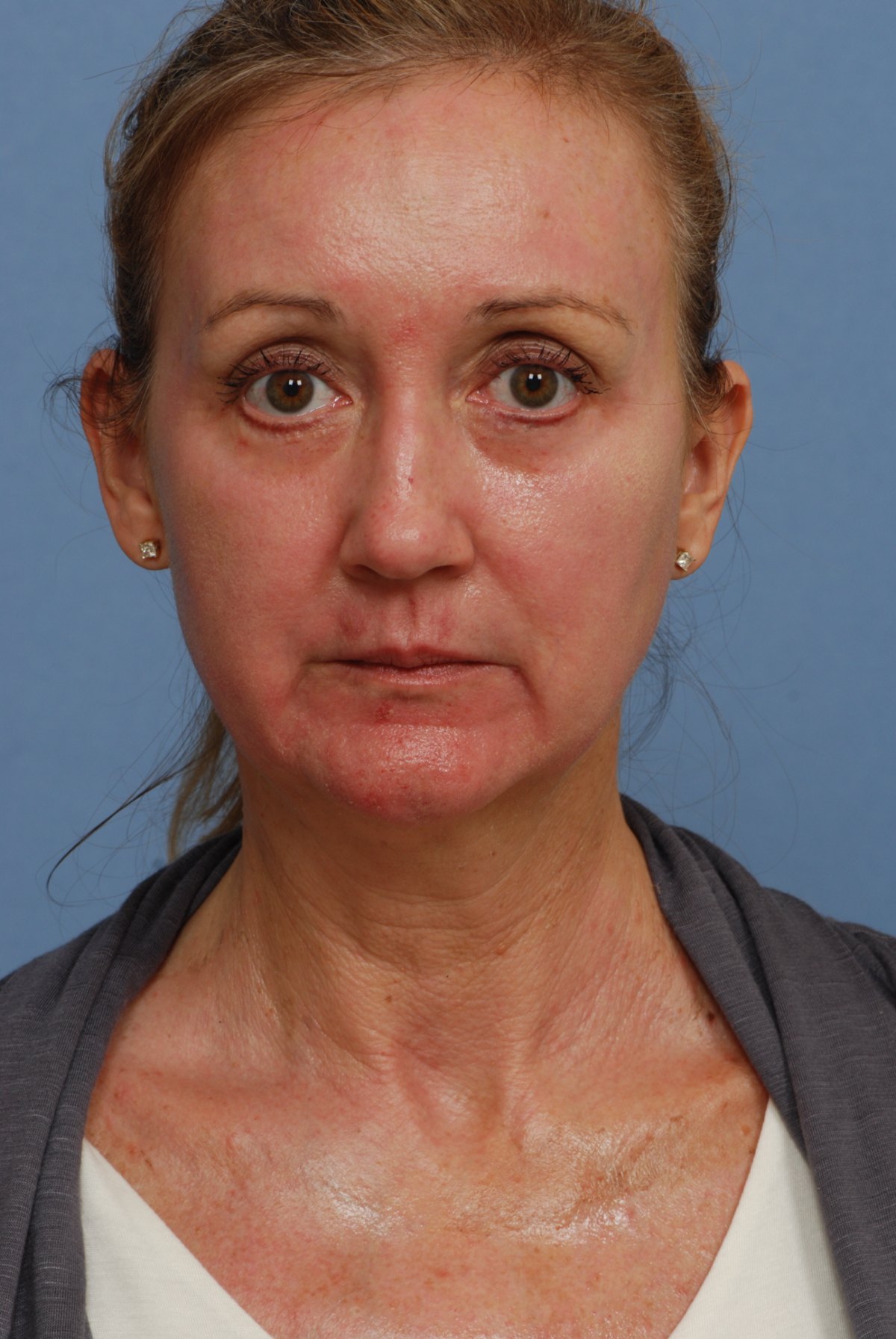
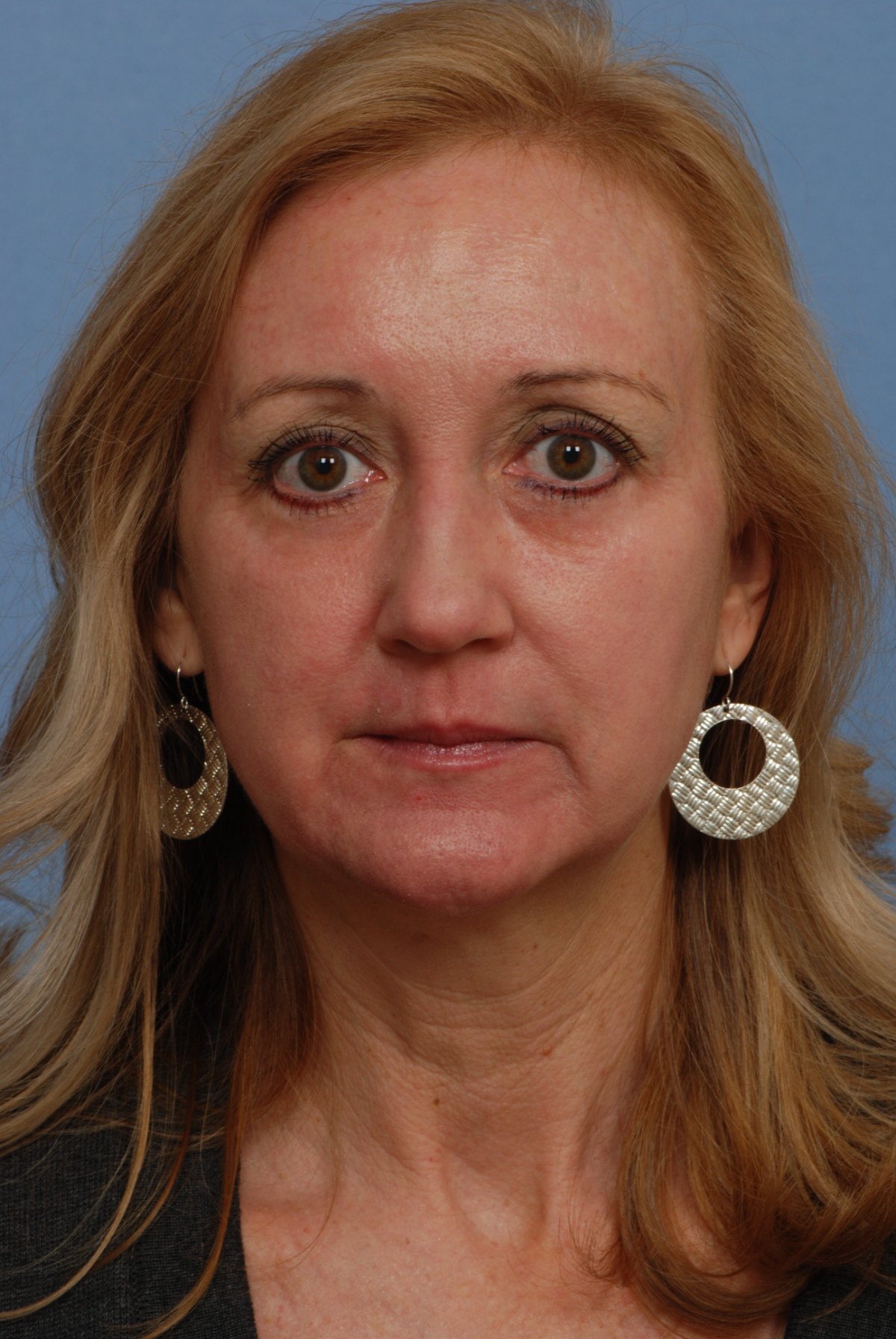
What the first ten days look like
One patient, photographed before treatment, through the first ten days of healing, and at one month. An actual patient of Dr. Sandel.
Cost
What CO2 laser resurfacing costs
The range depends on how deep the treatment goes.
Spot treatments for scars or acne are a smaller job and can be done under local anesthesia. Those cost less, and we will quote yours at your consultation.
That figure covers
You will receive a written, itemized quote at your consultation. Financing is available.
Resurfacing is often added to a facelift or a lip lift. Added that way it costs less than having it on its own day, because most of the operating time is already accounted for.
We own West Annapolis Surgery Center and operate with the same team every day, so there is no hospital or outside facility charge passed along to you.
Fees current as of September 2026.
Talk it through with Dr. Sandel.
He will look at your skin, tell you which depth is right, and be straight with you about the recovery it asks for. Dr. Sandel has performed more than 2,500 CO₂ laser resurfacing procedures using the Lumenis UltraPulse Encore system.
Reviewed by Henry Sandel, MD · Updated October 2026